Structured research across energy, precious metals, base metals, and agricultural commodity markets. Understanding commodity cycles is integral to balanced portfolio construction and inflation hedging strategies.
Why Commodities Matter in a Portfolio
Commodities occupy a unique position in investment analysis: they are real assets with intrinsic value, driven by physical supply-demand dynamics rather than corporate earnings or credit cycles. For Danish and broader European investors, understanding commodity price trends has direct implications for inflation exposure, energy costs, and sectoral equity performance.
Axiom tracks commodity markets across five major categories: crude oil and refined products, natural gas, precious metals, industrial/base metals, and soft commodities. Each category is examined through both a macro-structural lens and a shorter-term tactical framework, ensuring our subscribers receive analysis relevant to multiple investment horizons.
Commodity markets are also strongly influenced by geopolitical events, currency movements (most are priced in USD), and seasonal patterns. Our research integrates these cross-asset factors to provide a rounded picture of commodity market conditions.
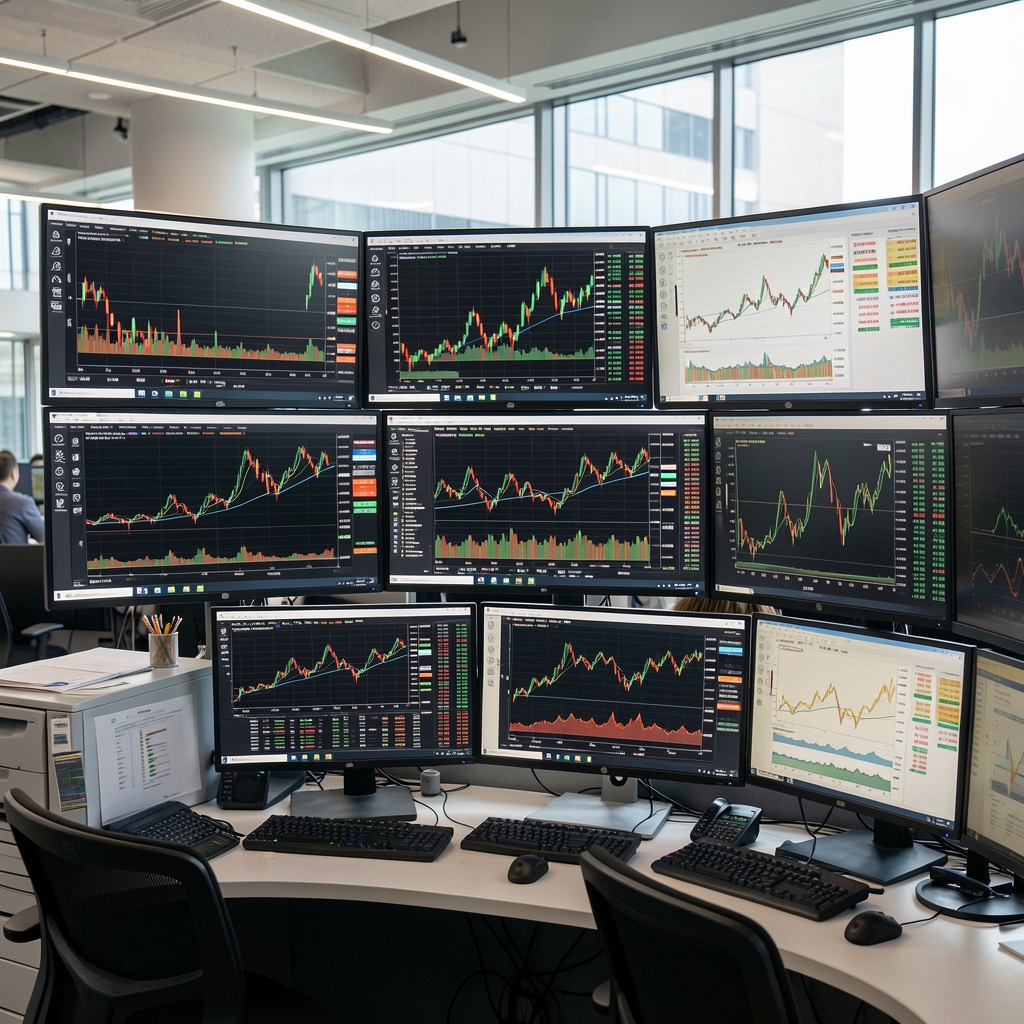
Commodities trading environments track real-time supply, demand, and geopolitical factors across global markets.
Commodity Coverage Areas
Our research spans the major commodity classes that matter most for European investors and equity analysts.
Energy
Energy Commodities
Analysis of Brent and WTI crude oil, European natural gas (TTF), and petroleum products. We examine OPEC+ output decisions, European energy security dynamics, and the structural shift towards renewables affecting long-term energy pricing.
Brent Crude supply/demand balance
TTF Natural Gas seasonal patterns
Refinery margin tracking
Energy transition impact modelling
Precious Metals
Precious Metals
Gold and silver analysis within the context of real interest rates, central bank reserve management, and USD dynamics. Precious metals serve both as inflation hedges and safe-haven assets — a dual role that requires nuanced analytical frameworks.
Gold real yield correlation models
Central bank gold purchasing trends
Silver industrial demand vs investment demand
Platinum group metals (PGMs) outlook
Base Metals
Industrial Base Metals
Copper, aluminium, zinc, and nickel are cyclical commodities tied closely to global manufacturing activity, infrastructure investment, and the green energy transition (particularly EV battery demand). Our analysis covers LME pricing dynamics and Chinese demand cycles.
Copper as a leading economic indicator
Aluminium energy cost pass-through
Nickel battery-grade demand growth
LME inventory levels and forward curve
Agriculture
Agricultural Commodities
Wheat, corn, soybeans, and soft commodities (sugar, coffee, cocoa) are increasingly relevant given global food security concerns and climate-related supply disruptions. We analyse USDA supply/demand reports, Black Sea grain corridor developments, and European crop forecasts.
Grain supply/demand balances (USDA WASDE)
European crop condition assessments
Fertiliser price impact on production costs
Food inflation linkage for DK/EU economies
Carbon
Carbon & Emissions Markets
The EU Emissions Trading System (ETS) is a growing asset class with direct relevance for European equity investors in energy, utilities, and heavy industry. We track EUA (European Union Allowance) pricing, policy developments, and their implications for industrial sector valuations.
EUA price drivers and regulatory outlook
Impact on utility sector cost structures
Carbon border adjustment mechanism (CBAM)
Corporate net-zero target implications
Cross-Asset
Commodity–Equity Linkages
Many OMXC25 and broader European equity sectors are directly influenced by commodity prices — from Danish shipping companies exposed to fuel costs, to energy producers and materials firms. We map these linkages to help investors understand second-order commodity exposure within equity portfolios.
Danish shipping sector fuel cost sensitivity
Materials sector commodity pass-through
Agricultural inputs and food processing margins
Commodity-equity correlation tables
Key Commodity Reference Metrics
Representative analytical benchmarks used in Axiom commodity research. Updated in published reports.
Commodity
Unit
Exchange/Benchmark
Key Driver
Seasonal Pattern
DK/EU Relevance
Brent Crude Oil
USD/barrel
ICE London
OPEC+ production, global demand
Q4 demand peak
High — transport, energy costs
TTF Natural Gas
EUR/MWh
ICE Endex
Storage levels, LNG imports, weather
Winter demand spike
Very High — heating, power generation
Gold
USD/troy oz
COMEX / LBMA
Real rates, USD, geopolitics
Q4 jewellery demand
Medium — safe-haven allocation
Silver
USD/troy oz
COMEX / LBMA
Gold ratio, industrial demand, solar
Variable
Medium — industrial + investment
Copper
USD/mt
LME London
Chinese manufacturing PMI, green infra
Q1 Chinese restocking
High — construction, EV supply chains
Aluminium
USD/mt
LME London
Energy costs (smelting), Chinese output
Summer energy constraints
Medium — packaging, automotive
Wheat (CBOT)
USD/bushel
CBOT Chicago
Black Sea supply, crop yields, USD
Harvest season volatility
High — food price inflation link
EU ETS Carbon
EUR/tonne CO₂
EEX Leipzig
EU policy, energy mix, cap trajectory
Winter demand
Very High — industrial competitiveness
Axiom Commodity Research Framework
A multi-layered approach to commodity market analysis, from structural to tactical.
01
Supply-Demand Balance
We construct supply-demand balances for each major commodity using production data, inventory levels, and forward consumption forecasts. These balances identify whether markets are in deficit or surplus — a primary driver of directional price trends.
02
Macro Factor Overlay
USD strength, real interest rate levels, and global growth expectations are overlaid onto the supply-demand picture. These factors often explain short-to-medium term price movements that diverge from the underlying physical balance.
03
Positioning & Sentiment
CFTC Commitment of Traders (CoT) data and exchange warehouse inventory reports provide insight into speculative positioning. Crowded positioning extremes often precede sharp reversals and are flagged in our weekly reports.
04
Technical Price Levels
Key support, resistance, and pivot levels are identified using multi-timeframe chart analysis. Technical levels are integrated with the fundamental picture to identify potential risk/reward entry and exit zones for report readers.
The Role of Commodities in Danish Portfolio Construction
Danish investors typically access commodity exposure through several pathways: direct commodity futures (primarily institutional), commodity-linked equities (energy producers, mining companies, agricultural firms), exchange-traded products (ETCs, commodity ETFs), and structured notes with commodity underlyings.
Each access method has distinct risk characteristics. Commodity futures and ETCs tracking front-month contracts are subject to roll yield — a cost or benefit depending on whether markets are in contango or backwardation. Understanding roll dynamics is essential for evaluating the true long-term cost of commodity exposure in a portfolio.
Axiom research addresses these practical implementation questions, not just the directional commodity outlook. Our subscriber reports include specific guidance on vehicle selection, term structure considerations, and portfolio sizing frameworks.
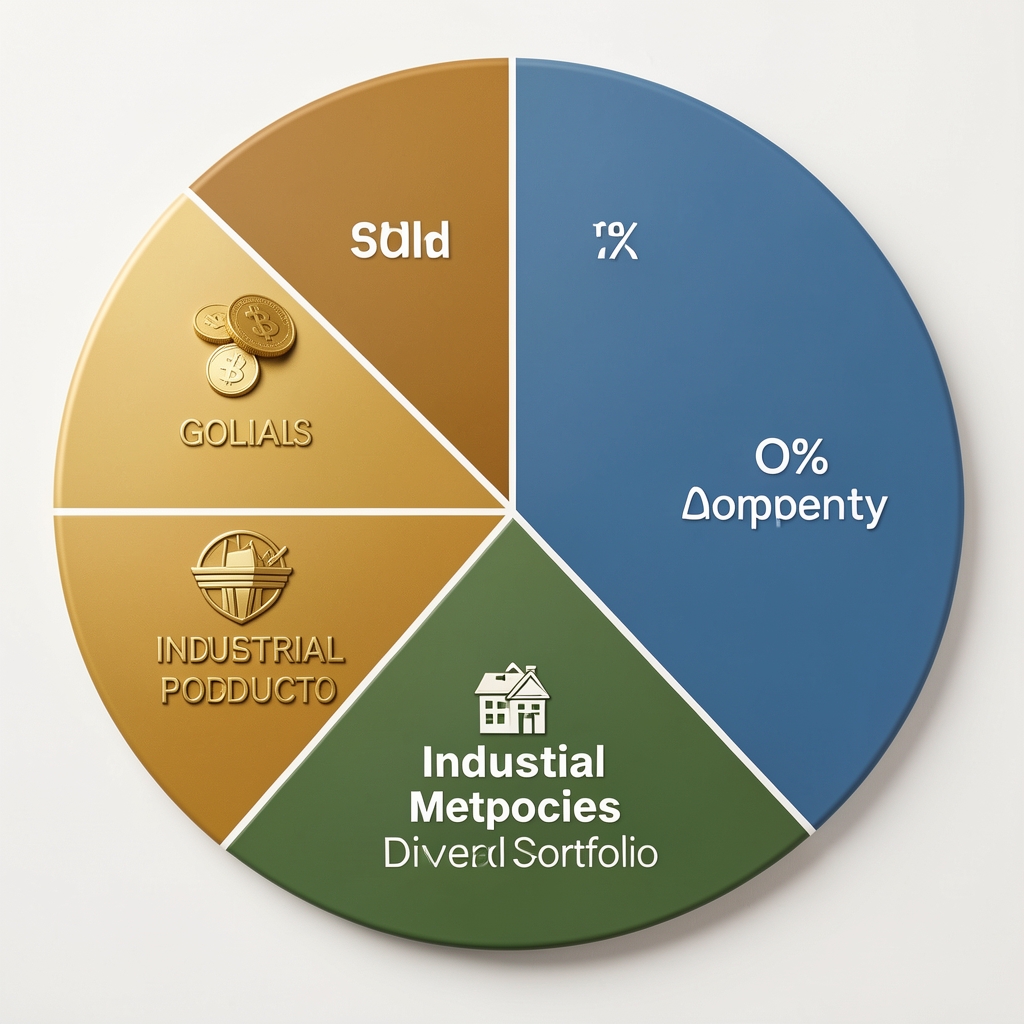
Commodity allocation within diversified portfolios — balancing inflation protection, cyclical exposure, and carry costs.
Access In-Depth Commodity Research
Subscribe to Axiom research reports for weekly commodity market analysis, supply-demand balances, and portfolio allocation frameworks tailored for Danish and European investors.